

Chapter 9: Geothermal Power

overview

Chapter 9: Geothermal Power

Geothermal energy provides reliable baseload power but also presents important environmental and social risks. Depending on the system, geothermal plants release or reinject water and steam, affecting local ecosystems, air quality, and water resources.

SEA helps identify and manage these risks early—such as land use change, biodiversity impacts, water contamination, hydrogen sulfide emissions, community displacement, and impacts on Indigenous lands. It also highlights safety, labor, and gender concerns during construction. By engaging stakeholders and identifying areas to avoid, SEA supports geothermal development that balances renewable energy goals with environmental protection and social responsibility.

Table of Contents

9.1  Why SEA is Important to Geothermal Power

9.2  Existing SEA Guidance/Guidelines for the Geothermal Energy Sub-Sector

9.3  Geothermal Energy Installed Capacity

9.4  Background to Geothermal Energy Generation

9.5  Impacts of Geothermal Energy Development

Download Chapter 9

Access the full chapter as a PDF download.

Related Resources

Find relevant checklists, forms, case studies, and more in the Annexes.

Dig Deeper

Have questions? Our AI-powered SEA Guidance document expert is here to help.

Executive Summary

What is geothermal power?

Geothermal energy is a renewable source of power that uses heat from deep inside the Earth to generate electricity. Unlike solar or wind power, geothermal energy is available all the time, making it a reliable energy source. There are different types of geothermal plants, and each one works by converting underground heat into electricity. Some plants release water and steam into the air, while others put it back underground, which affects the environment in different ways.

geothermal dry steam icon

Dry-Steam Plants

Uses steam directly from a geothermal reservoir to turn generator turbines.
geothermal flash steam icon

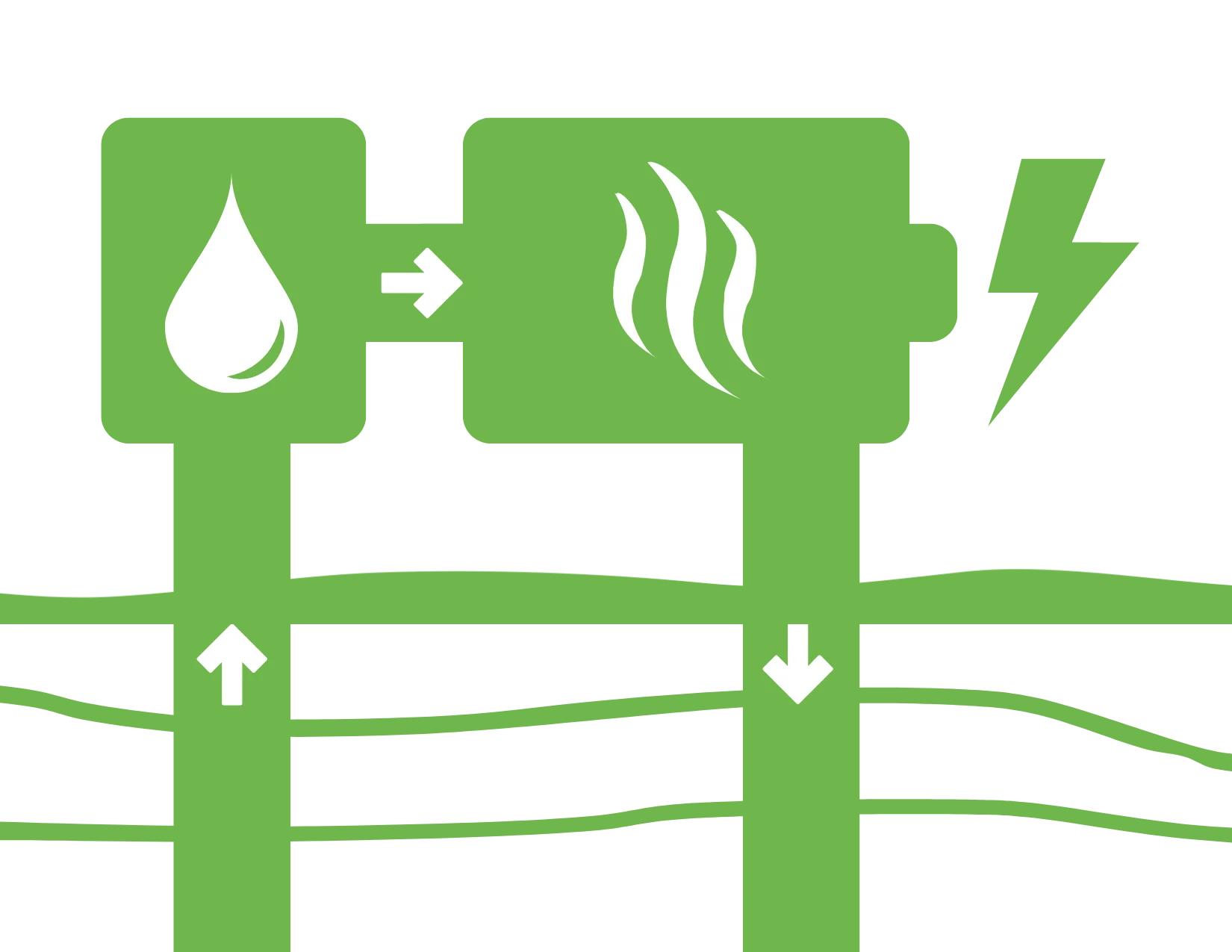
Flash-Steam Plants

Takes high-pressure hot water from deep underground and converts it to steam that drives turbines.
geothermal binary cycle icon

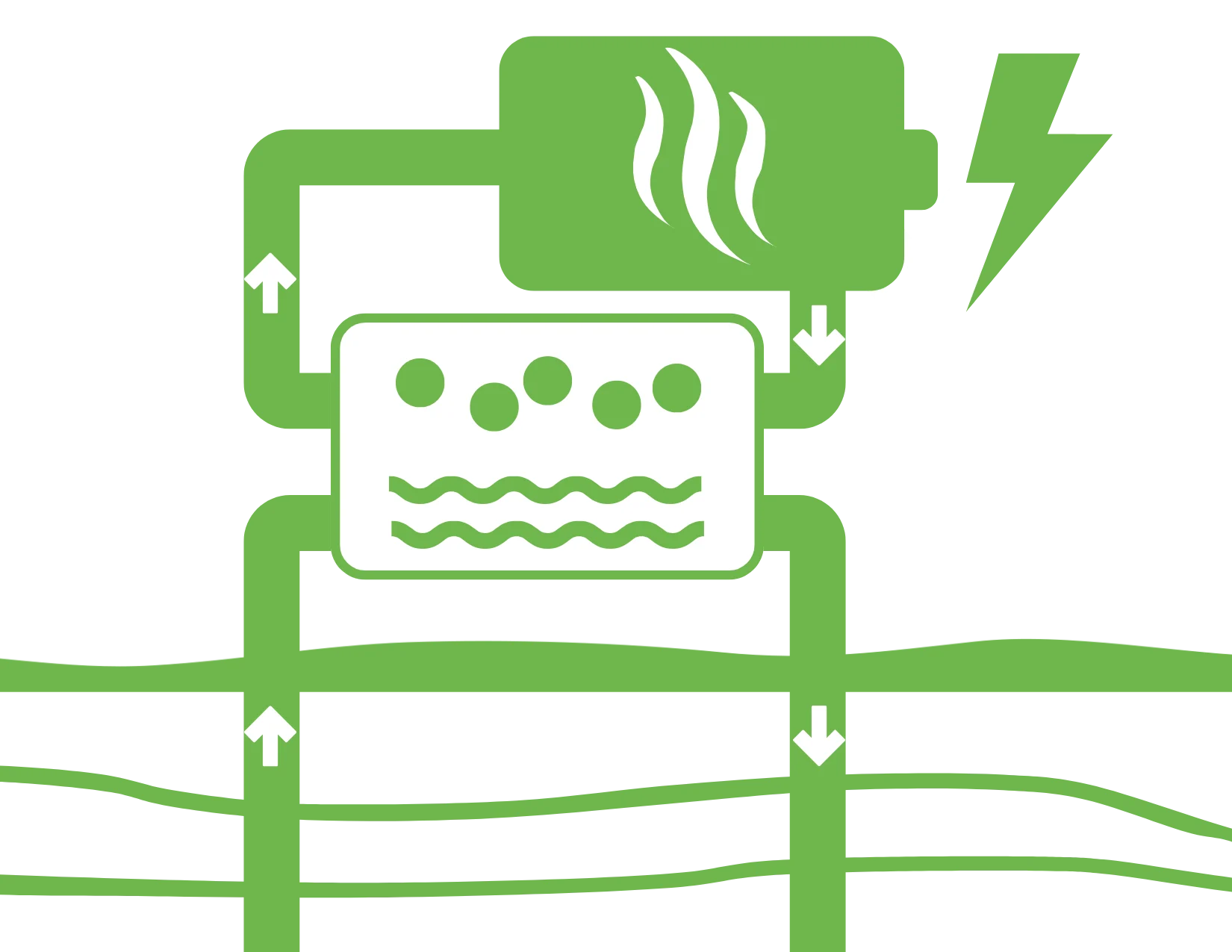
Binary-Cycle Plants

Transfers heat from geothermal hot water to another liquid with a lower boiling point, producing vapor that drives a turbine

geothermal hybrid icon

Hybrid Systems

Combines features of multiple geothermal technologies to optimize performance.

Many geothermal resources are located in remote or environmentally sensitive areas, which heightens the potential impacts. While geothermal energy produces much fewer greenhouse gases than fossil fuels, some plants can release harmful gases like hydrogen sulfide and small amounts of mercury, which can affect local air quality. Geothermal plants also use a lot of water, which can be a problem in dry areas. Building these plants often requires clearing land and building roads, which can harm local wildlife and damage habitats, especially in forests. In some places, geothermal development has also been linked to small, localized seismic events.

Geothermal energy projects can also have impacts on local communities. Sometimes, people are forced to move, or their livelihoods are disrupted. There can also be social issues, like increased tensions and risks of violence due to the influx of workers during construction. However, geothermal energy also brings positive changes, like new jobs and improved infrastructure. In some areas, geothermal energy has helped local businesses and farmers, and it can benefit indigenous communities when managed well.

How can SEA be helpful in geothermal projects?

Strategic Environmental Assessment (SEA) helps governments and planners identify environmental and socio-economic risks early in the development of policies, plans, and programs (PPPs) for bioenergy. Key risks include land-use change, deforestation, water demand, pollution, and loss of habitats and biodiversity, especially when large areas are converted to monoculture energy crops. These changes can reduce land available for food production, raise food prices, and put pressure on rural communities.

SEA in action

Managing Biodiversity Risks

Indonesia

The Sarulla Geothermal Power Plant in Sumatra, Indonesia, has an installed capacity of 330 MW. The project was developed in an area of high biodiversity value. Key risks included habitat loss, fragmentation from access roads, collisions with wildlife, and increased hunting pressure.

A Critical Habitat Assessment and Biodiversity Action Plan recommended targeted mitigation measures, including primate road crossings, workforce and community awareness programs, and strict speed limits to reduce wildlife mortality.

Learn more by exploring the SEA Guidance References: Asian Development Bank’s 2019 Sarulla Geothermal Power Development Project Biodiversity Action Plan and 2020 Sarulla Geothermal Power Development Project Offset Management Plan.

(Photo: Silangkitang Unit, Courtesy of Sarulla Operations Limited)

Understanding Seismic Risk Early

Switzerland

Geothermal plants are in seismically active areas where earthquakes are likely to occur. In general, geothermal projects themselves are not considered to generate any significant seismic risk. However, there have been some examples of geothermal projects inducing micro-seismic events at a localized level that may impact nearby communities. 

In 2006, a geothermal system in Switzerland caused a magnitude 3.4 earthquake in Basel, an area prone to natural earthquakes. No expert assessment had been conducted of how much the seismicity induced by the project would connect with the natural seismicity under the Basel area. Community damages led to a court case, and the project was ultimately shut down—highlighting why SEA must evaluate seismic risks before development proceeds.

(Source: Choi, C. (2009, December 16). Earthquake concerns shake up geothermal energy projects. Live Science.)