




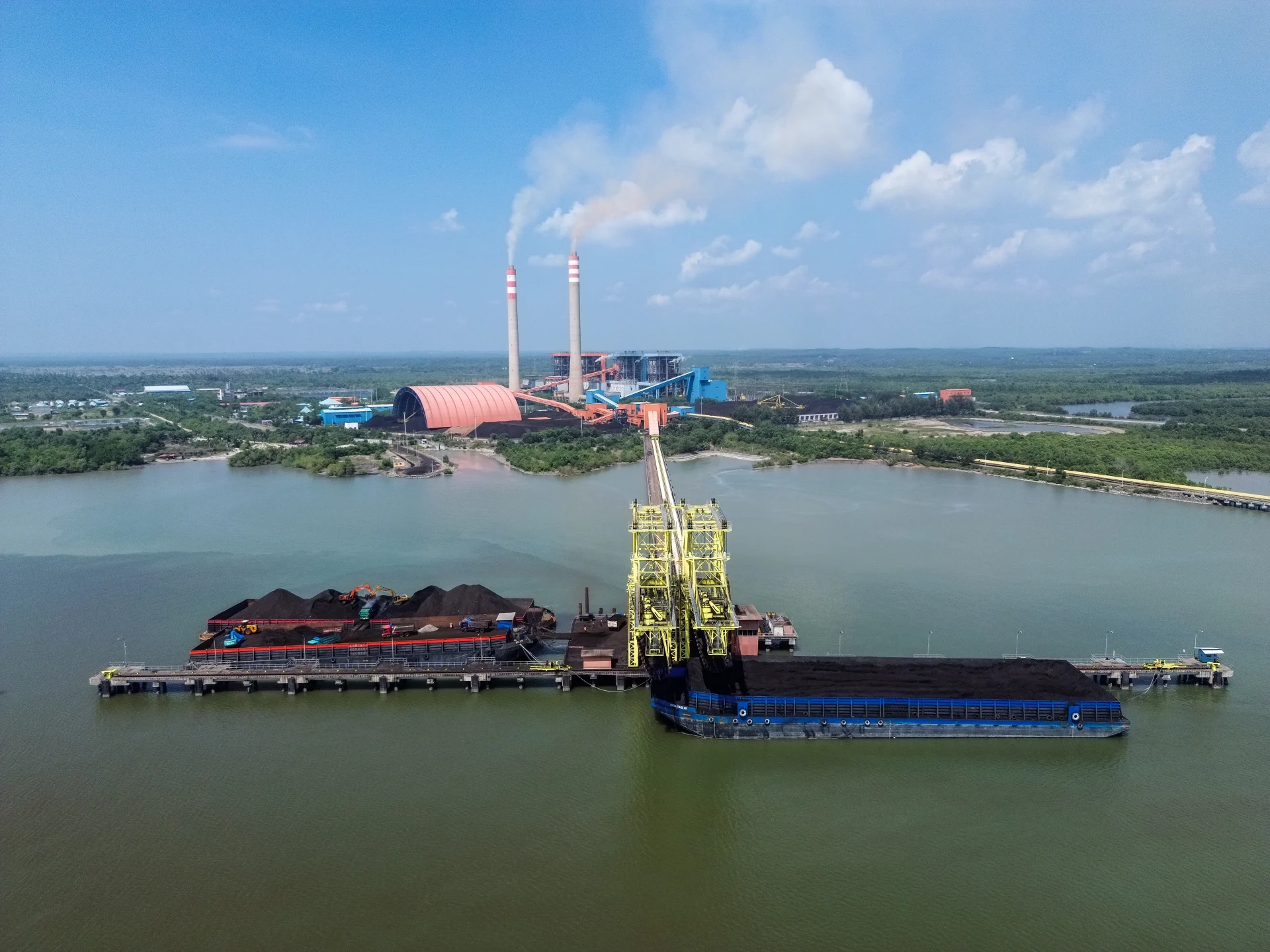
 The Indonesian electricity sector is dominated by coal-fired power plants (CFPPs), which in 2021 contributed at least 5.5% to total GDP.
The potential impacts of retiring CFPPs include regional job losses, reduced business activity along coal supply chains, higher electricity tariffs, and increasing commodity and food prices. State revenues may fall, reducing public budgets for provinces that host many CFPPs. Without replacement electricity sources, major economic hubs—such as shopping malls and factories—may also be affected.
Millions of enterprises rely on the state electricity company, and without proper mitigation measures, CFPP retirement could adversely impact the national economy and intra-country trade in Southeast Asia.
 Without proper management of ash ponds, contaminants can pollute soil, groundwater, drinking water, and waterways.
Illegal coal ash disposal has occurred at various locations in East Kalimantan and central Java, Indonesia, with waste dumped near wetlands, mangrove forests, and rivers. Waste in some areas has been burned openly, and hazardous substances, including heavy metals, have likely contaminated water and soils.
Although the companies involved have received criminal sanctions, the full cleanup has not been completed. Coal ash has been dumped on a large scale into vulnerable ecosystems, where runoff can contaminate groundwater and affect community water sources.
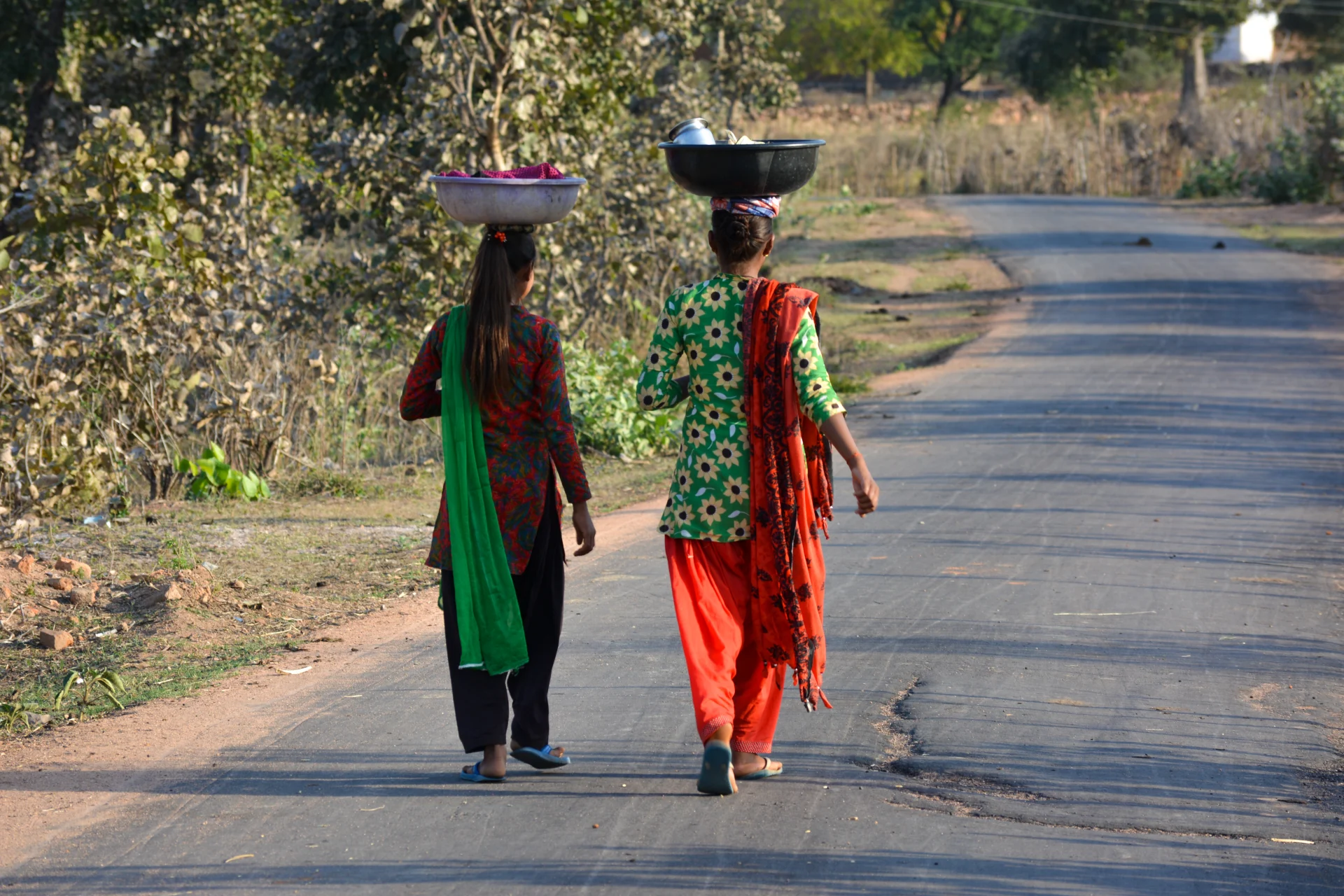
Retirement of CFPPs will reduce dust, air, and noise pollution, leading to improved public health. However, overall community health may deteriorate as support from CFPPs and associated businesses is reduced or eliminated.
Betul District in Madhya Pradesh, India, experienced a boom in business and public infrastructure in the 1960s with the development of coal-fired power plants and coal mines. Housing and community facilities grew, including schools, hospitals, roads, and banks, often financed by the coal industry. Communities became reliant on these essential services and facilities.
When this coal infrastructure is retired or closed, nearby communities may lose access to these services, and livelihoods may be severely affected. Vulnerable groups—including women, Indigenous Peoples, and low-income households—may face disproportionate impacts.

During mine closure, a specific water management plan should be developed and measures implemented to prevent potential impacts and to ensure that stockpiles, pits, and other disturbed areas are rehabilitated and revegetated to reduce contaminated runoff. Acid mine drainage issues associated with coal are commonplace around the world, often as a result of dam failure at abandoned mines. Impacts from a number of smaller abandoned mines may also have an effect.
In the Sewanee Coal Seam in Tennessee, United States, there are 300 abandoned coal mines. The seam is surrounded by high levels of pyrite (iron sulfide) that, when exposed to water and air, creates acid mine drainage. Although these mines are no longer operational, there is no known method of preventing acid mine drainage runoff resulting from this chemistry. It is highly toxic to humans, flora, and fauna, and has polluted waterways and affected communities. Although the water is being treated, the runoff continues to impact aquatic flora and fauna and downstream users of the waterway.