
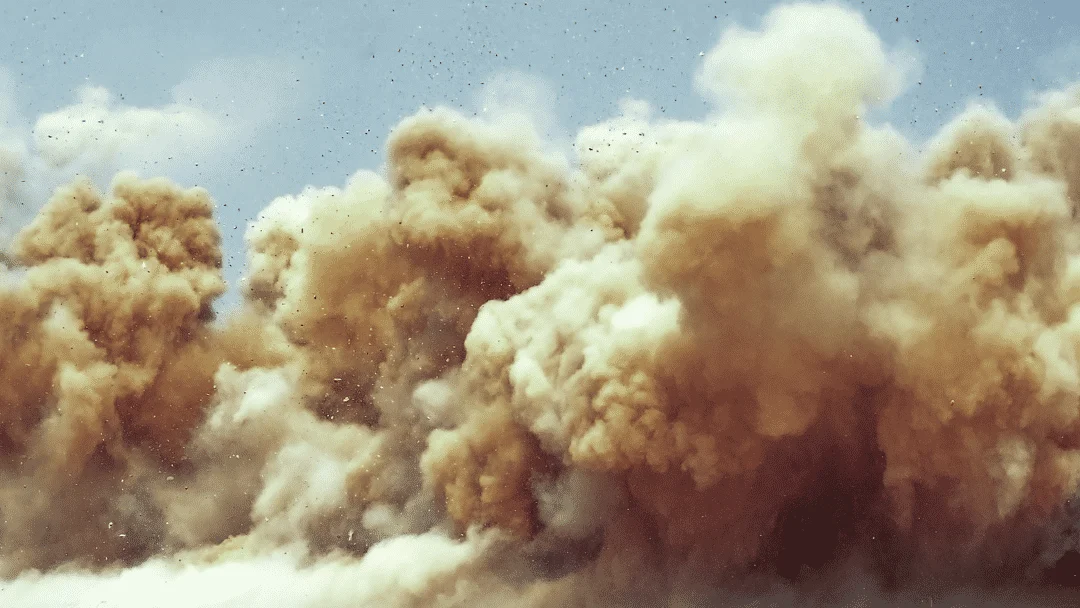
 The Dust Bowl was a major environmental disaster in the 1930s that mainly affected the prairie regions of the United States and Canada. It was caused by a long drought and poor farming practices that ruined the soil. Farmers had cleared native grasslands to grow crops, but when the drought hit, the dry topsoil blew away in strong winds, creating huge dust storms called “black blizzards.” These storms destroyed millions of tons of soil and harmed many farmers’ lives.
The Dust Bowl forced many farming families to leave their homes and resettle, searching for better opportunities. This event showed the need for improved land management and led to changes in farming policies and environmental conservation efforts.
The Dust Bowl was a major environmental disaster in the 1930s that mainly affected the prairie regions of the United States and Canada. It was caused by a long drought and poor farming practices that ruined the soil. Farmers had cleared native grasslands to grow crops, but when the drought hit, the dry topsoil blew away in strong winds, creating huge dust storms called “black blizzards.” These storms destroyed millions of tons of soil and harmed many farmers’ lives.
The Dust Bowl forced many farming families to leave their homes and resettle, searching for better opportunities. This event showed the need for improved land management and led to changes in farming policies and environmental conservation efforts. 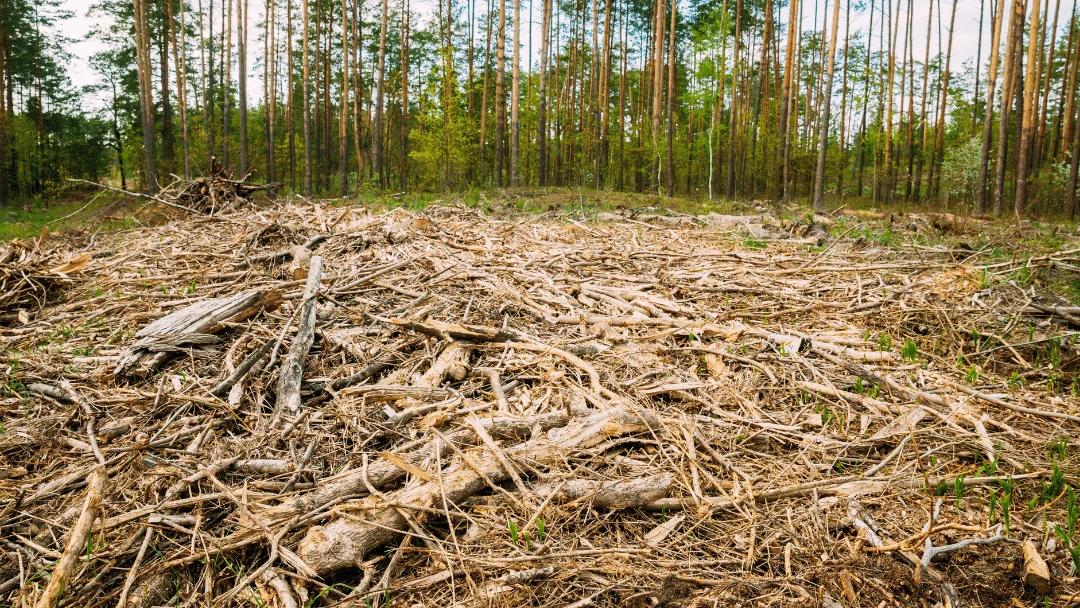 The Sahel region in Africa is an example of land degradation and desertification. Factors such as changing rainfall patterns due to climate change, deforestation due to firewood collection and clearing for farmland, overgrazing by livestock, and poor farming practices all contribute to this problem.
As the population has grown, the demand for land and resources has increased, putting even more pressure on the environment. This has led to serious issues like poverty and food insecurity in local communities, highlighting the need for better land management and community involvement to protect the region’s future.
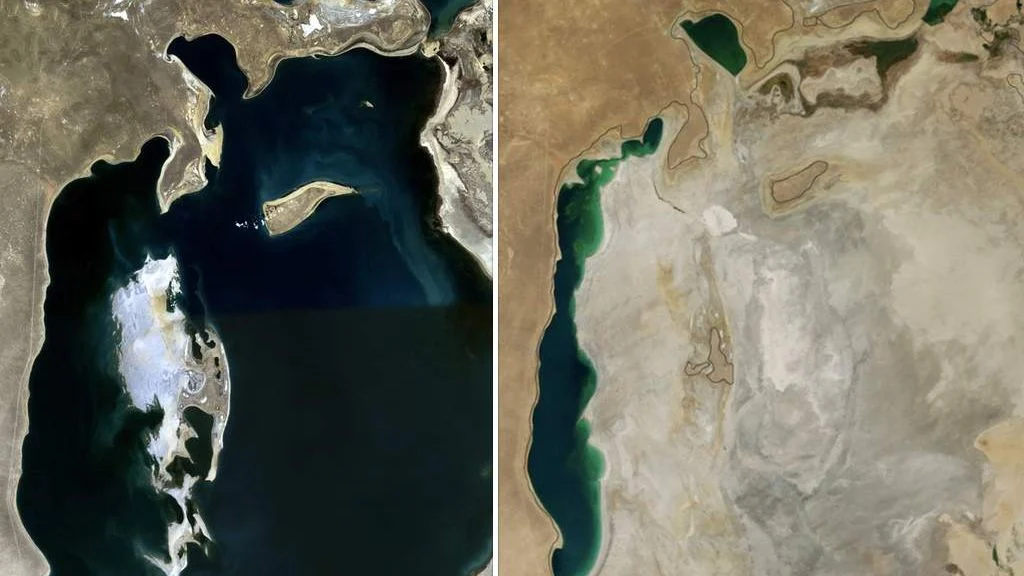 The Aral Sea was once one of the largest lakes in the world, but it has greatly reduced in size over the past few decades. This shrinkage happened because, starting in the 1960s, large irrigation projects diverted the rivers that fed the inland sea. These changes were mainly made to support cotton farming in nearby areas of Kazakhstan, Uzbekistan, and Turkmenistan. This water diversion led to significant salinization and ecological collapse, transforming the once thriving sea into a series of small, disconnected bodies of water.
The environmental repercussions have been severe, including the loss of fish species, increased desertification of the area, and negative health impacts on local communities due to dust storms from exposed seabed laden with pollutants. Efforts to restore parts of the Aral Sea have had limited success, emphasizing the need for more sustainable agricultural practices and water management strategies.
The Dust Bowl was a major environmental disaster in the 1930s that mainly affected the prairie regions of the United States and Canada. It was caused by a long drought and poor farming practices that ruined the soil. Farmers had cleared native grasslands to grow crops, but when the drought hit, the dry topsoil blew away in strong winds, creating huge dust storms called “black blizzards.” These storms destroyed millions of tons of soil and harmed many farmers’ lives.
The Dust Bowl forced many farming families to leave their homes and resettle, searching for better opportunities. This event showed the need for improved land management and led to changes in farming policies and environmental conservation efforts.
The Sahel region in Africa is an example of land degradation and desertification. Factors such as changing rainfall patterns due to climate change, deforestation due to firewood collection and clearing for farmland, overgrazing by livestock, and poor farming practices all contribute to this problem.
As the population has grown, the demand for land and resources has increased, putting even more pressure on the environment. This has led to serious issues like poverty and food insecurity in local communities, highlighting the need for better land management and community involvement to protect the region’s future.
The Aral Sea was once one of the largest lakes in the world, but it has greatly reduced in size over the past few decades. This shrinkage happened because, starting in the 1960s, large irrigation projects diverted the rivers that fed the inland sea. These changes were mainly made to support cotton farming in nearby areas of Kazakhstan, Uzbekistan, and Turkmenistan. This water diversion led to significant salinization and ecological collapse, transforming the once thriving sea into a series of small, disconnected bodies of water.
The environmental repercussions have been severe, including the loss of fish species, increased desertification of the area, and negative health impacts on local communities due to dust storms from exposed seabed laden with pollutants. Efforts to restore parts of the Aral Sea have had limited success, emphasizing the need for more sustainable agricultural practices and water management strategies.